Sajagung Journal
Korean fortune-telling, explained in plain language
Saju (Four Pillars), Zi Wei Dou Shu, Qi Men Dun Jia, the I Ching, Dang-saju, and naming. A clear, grounded guide to what each tradition means and how it is actually read.
 Concept· 5 min read
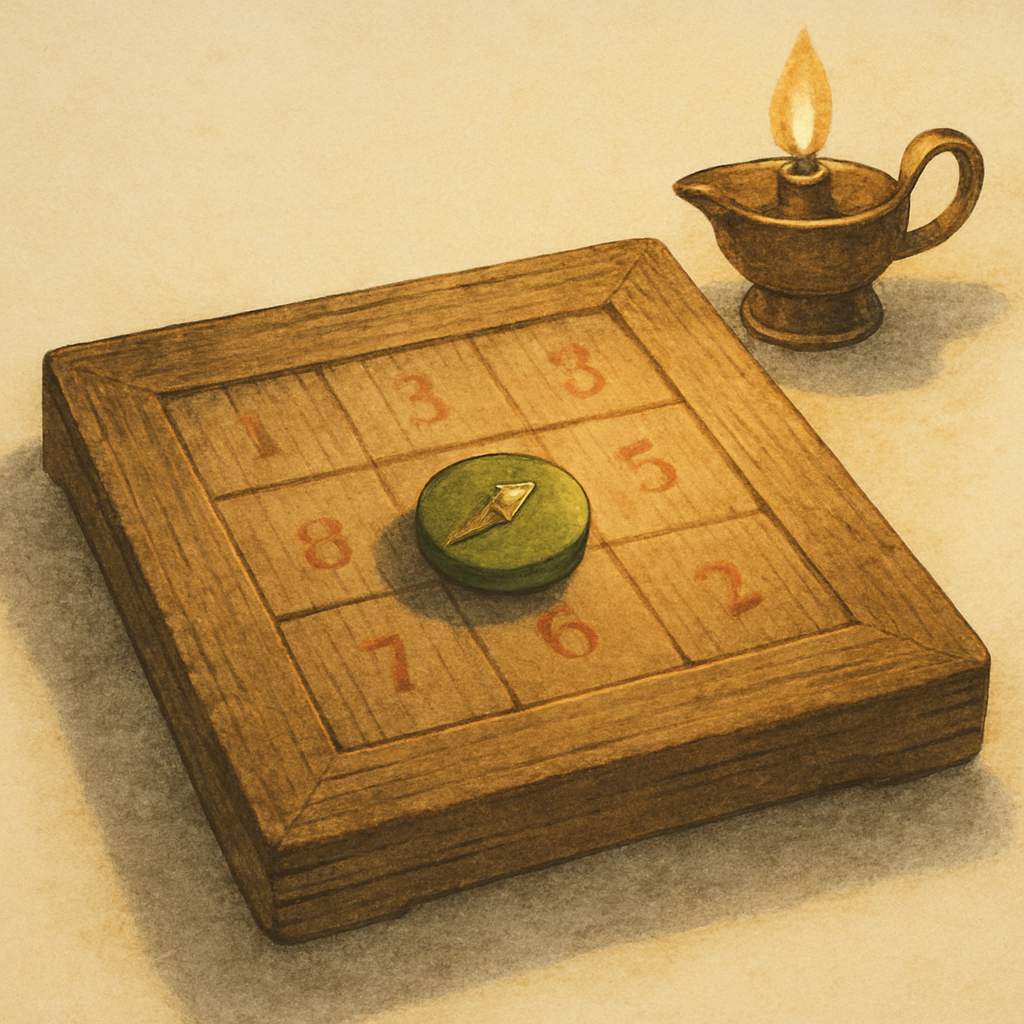
Qi Men Dun Jia: The Nine Stars That Read Direction
A step-by-step guide to the Nine Stars, one of the core elements of Qi Men Dun Jia (a classical Chinese strategic divination system). Learn how the nine stars are placed across the nine palaces and how that placement shapes the energy of each direction.
 Reading· 5 min read
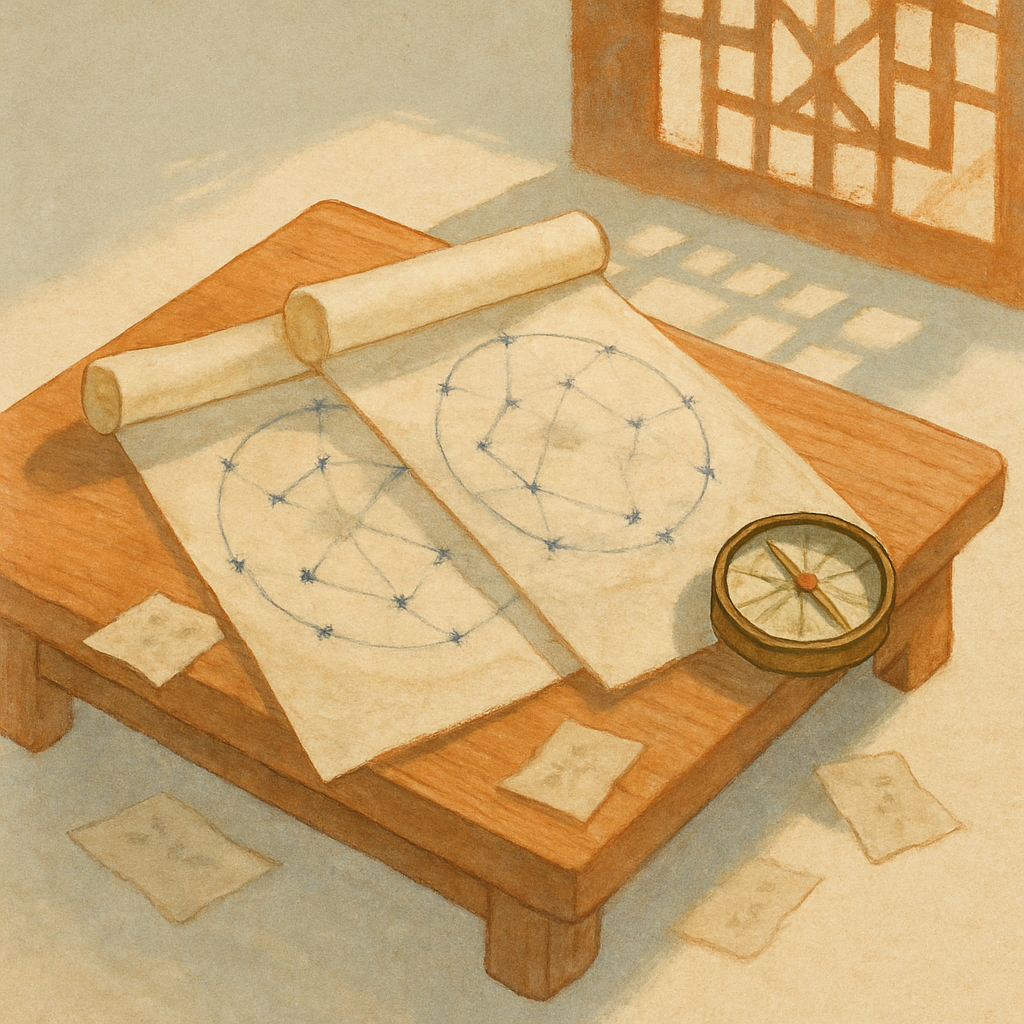
Zi Wei Dou Shu Compatibility: Reading a Relationship by Overlaying Two Star Charts
Zi Wei Dou Shu (Purple Star astrology) compatibility offers a different lens from Saju for understanding two people's connection. We explore how the main star of the Life Palace and the combinations found in the Spouse Palace shape attraction and friction between partners.
 Reading· 5 min read
How to Read the Yearly Luck in Zi Wei Dou Shu: Understanding This Year's Chart
When you want to know how this particular year feels rather than your whole life chart, the yearly luck reading in Zi Wei Dou Shu (Purple Star astrology) is where to look. We walk through which stars land in which houses, and how the major cycle and the yearly cycle relate to each other.
 Practical· 5 min read
How to Read Dang Saju (Korean Star Fortune Telling) for Free: Using Your Zodiac Year, Birth Month, and Birth Day
For anyone who wants to understand Dang Saju (a traditional Korean fortune-telling system) without paying first: this guide walks you through how to find your early life, middle life, and later life stars using your zodiac year animal, lunar birth month, and lunar birth day, step by step.
 Practical· 5 min read
How to Read Your Saju for Free: A Beginner's Guide to the Korean Almanac
Want to see your own Saju chart before spending any money? This step-by-step guide shows you how to use a free Manseryeok (Korean almanac) to pull your birth chart, identify your Day Master, and read the balance of the Five Elements.
 Reading· 5 min read
Tianji Star: The Temperament of the Star That Thinks, Then Moves
A plain-language guide to the personality and temperament of the Tianji star in Zi Wei Dou Shu (Purple Star astrology). We cover strategic intelligence, planning ability, the advisor-type drive to act, the combination with Tianliang star, and what this star reveals in the Travel and Movement palace.
 Reading· 5 min read
Qi Sha in Zi Wei Dou Shu: The Star That Opens the Way Through Decisive Action
Qi Sha (the Seven Killings star) in Zi Wei Dou Shu (Purple Star astrology) carries sharp decisiveness and strong forward momentum. Sajagung walks you through the structures in which this seemingly solitary star can truly shine.
 Reading· 5 min read
Po Jun: The Star That Breaks Things Down to Build Them Back Up
A practical guide to Po Jun's character in Zi Wei Dou Shu (Purple Star astrology) and what it means when this star sits in the Life Palace. We also unpack the Sha Po Lang structure so you can understand Po Jun's cycle of clearing and rebuilding.
 Reading· 5 min read
Tan Lang: The Star That Holds Desire and Charm in Equal Measure
A step-by-step look at Tan Lang in Zi Wei Dou Shu (Purple Star astrology): its elemental nature, how it reads differently in the life, spouse, and wealth palaces, what happens when it meets the transforming stars Hua Lu, Hua Quan, and Hua Ji, and the shadows that can appear when its strengths run too hot.
 Concept· 5 min read
The 14 Major Stars of Zi Wei Dou Shu: A Clear Guide to All Fourteen
We break down the 14 major stars at the heart of Zi Wei Dou Shu (Purple Star astrology) into two groups: the Zi Wei cluster and the Tian Fu cluster. Step by step, we cover each star's character and role, and explain how to read an empty palace when no major star is present.
 Concept· 5 min read
Zi Wei Dou Shu's Five Element Groups: From Water Two to Fire Six
The Five Element Groups of Zi Wei Dou Shu (Purple Star astrology) use Nayin (resonant sound) five-element theory to determine a chart's group number, which in turn fixes the position of the Purple Star and the starting age of each major luck period. This guide walks through all five groups, from Water Two to Fire Six.
 Concept· 5 min read
Zi Wei Dou Shu vs. Saju: What Sets Them Apart
Zi Wei Dou Shu (Purple Star astrology) and Saju (Korean Four Pillars astrology) both use your birth date and time, yet they read a person in completely different ways. Here is a clear look at how each system is structured, and how the two can be used together.
 Concept· 5 min read
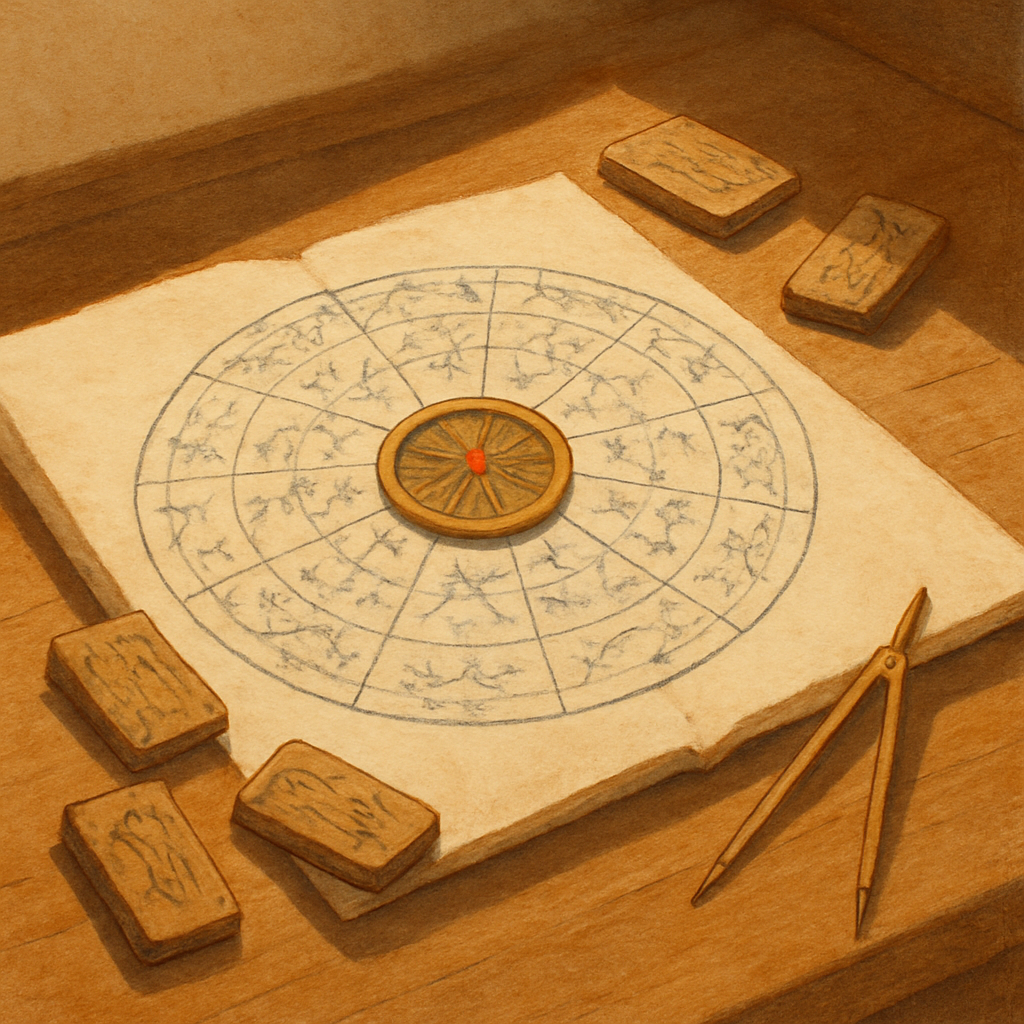
What Is Zi Wei Dou Shu: A Life Map Written in Stars
We trace the history and structure of Zi Wei Dou Shu (Purple Star astrology), from its roots with Chen Xiyi of the Song dynasty to its twelve houses, fourteen major stars, and five-element groups, and explore how it differs from Saju (Korean Four Pillars astrology).
 Practical· 5 min read
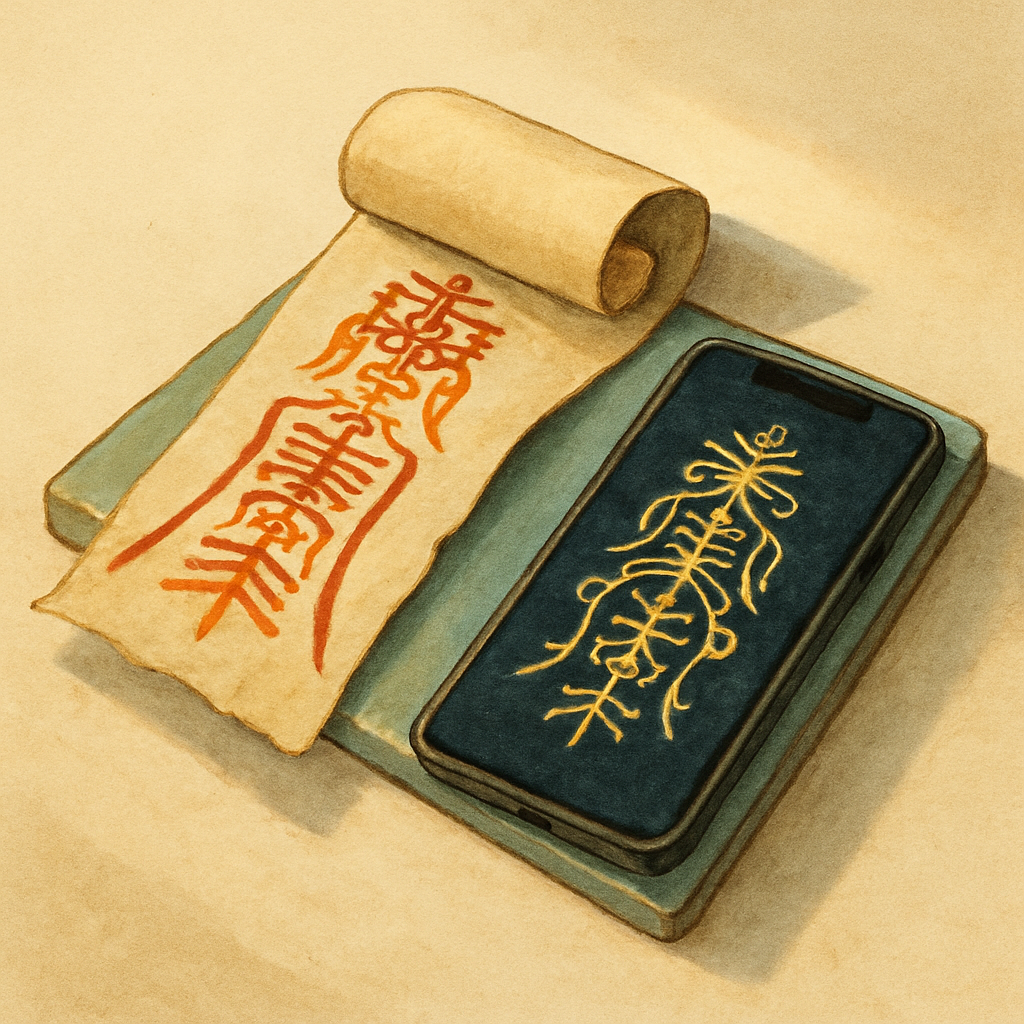
Digital Talismans: The New Custom of Keeping One on Your Lock Screen
A look at the growing practice of using digital talismans as smartphone lock screens. We cover how they differ from paper talismans, how to choose colors and symbols, and the practical benefits of storage and renewal, step by step.
 Practical· 5 min read
Can a Korean-Only Name Strengthen Your Saju? The Logic Behind Pronunciation Elements
Can a name written purely in Hangul, without any Chinese characters, fill in the missing elements in your Saju (Korean Four Pillars astrology)? Sajagung walks you through how pronunciation-based elements work, and where this approach to naming has real promise, and where its limits begin.
 Concept· 5 min read
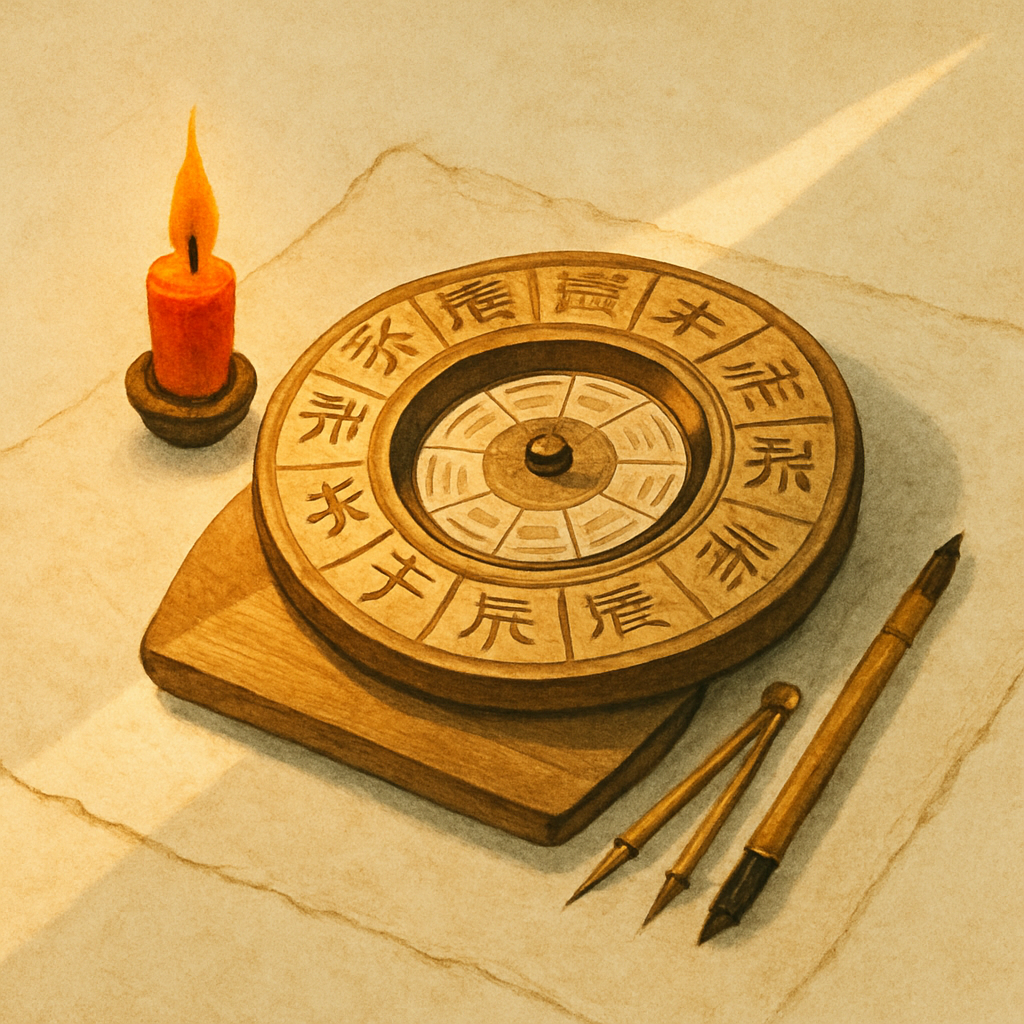
Ilchin and Sijin: How to Read Today's Fortune in Two Layers
Ilchin (the day pillar's energy) shapes the overall mood of your entire day, while sijin (the two-hour time segments) reveals how that energy shifts hour by hour. Sajagung breaks down both concepts and how to use them together.
 Practical· 5 min read
Date Selection Checklist Before You Sign Any Contract
If you're unsure how to choose a signing date for a real estate, business, or employment contract, here is a step-by-step guide to the key criteria used in Saju (Korean Four Pillars astrology) date selection. Learn how to avoid conflict days, void days, and Three Killings days, and how to find a date that aligns with your favorable element.
 Practical· 5 min read
Moving Day and Move-In Day: Why You May Want to Choose Them Separately
Even after you have locked in a moving date, it is worth looking at the move-in date on its own. Sajagung walks you through a 60-day scan that covers the head of household's first entry, the day the furniture settles in, and the night the family sleeps there for the first time.
 Concept· 5 min read
Entering, Settling, Leaving: How to Navigate the Three-Year Samjae Cycle
Samjae (the three-year cycle of shifting fortune in Korean tradition) is not simply a period of bad luck. This guide breaks down the character of each year, entering, settling, and leaving, and offers practical steps for getting through all three with clarity.
 Reading· 5 min read
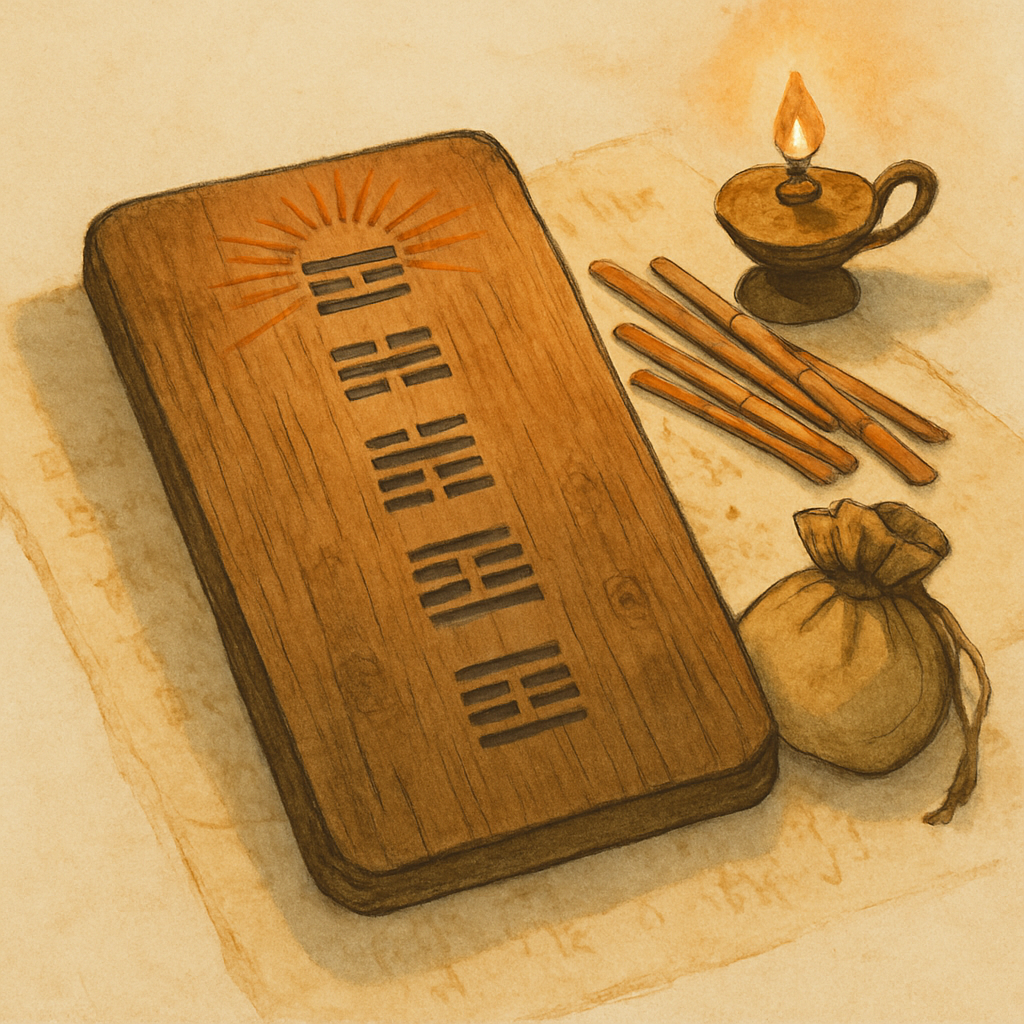
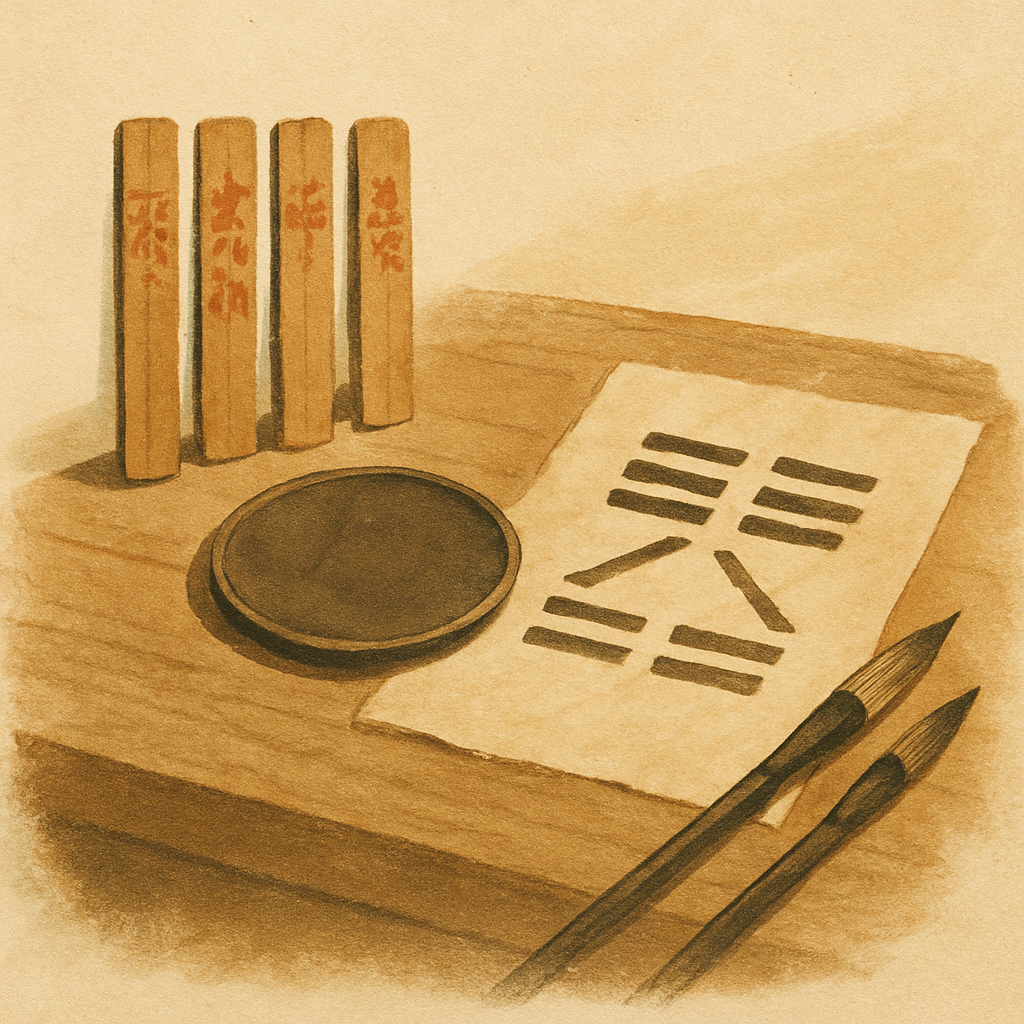
Five Auspicious Hexagrams in the I Ching That Open the Way
A calm, clear look at five of the I Ching's most auspicious hexagrams, including Qian (Heaven over Heaven), Kun (Earth over Earth), Small Accumulation, Fellowship, and Great Possession, covering their core messages and how the moving line shapes each reading.
 Concept· 5 min read
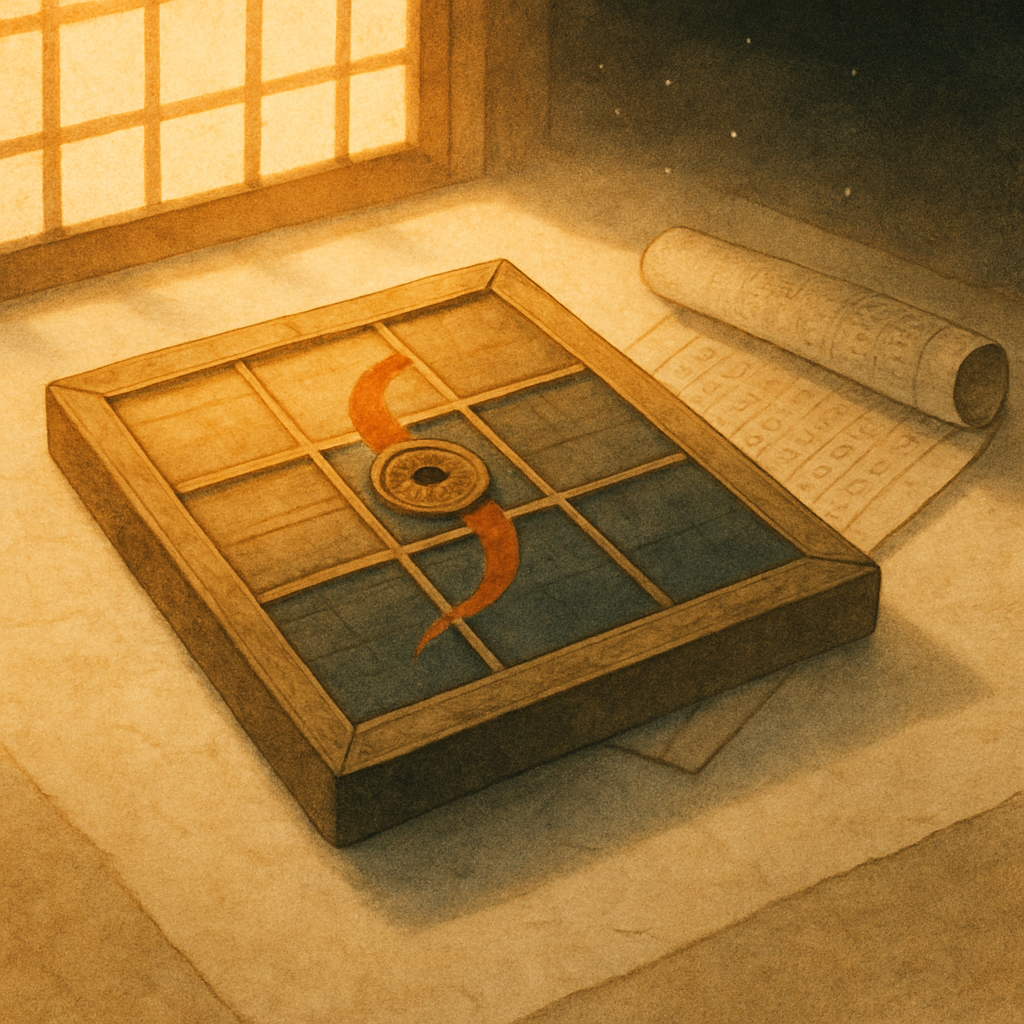
I Ching Divination vs. Saju: Why the Same Question Gets Two Different Answers
Saju (Korean Four Pillars astrology) reads the overall current of a life based on the moment of birth. I Ching divination answers the question you are asking right now. Here is how the two differ in their relationship to time, and how to use them together in practice.
 Concept· 5 min read
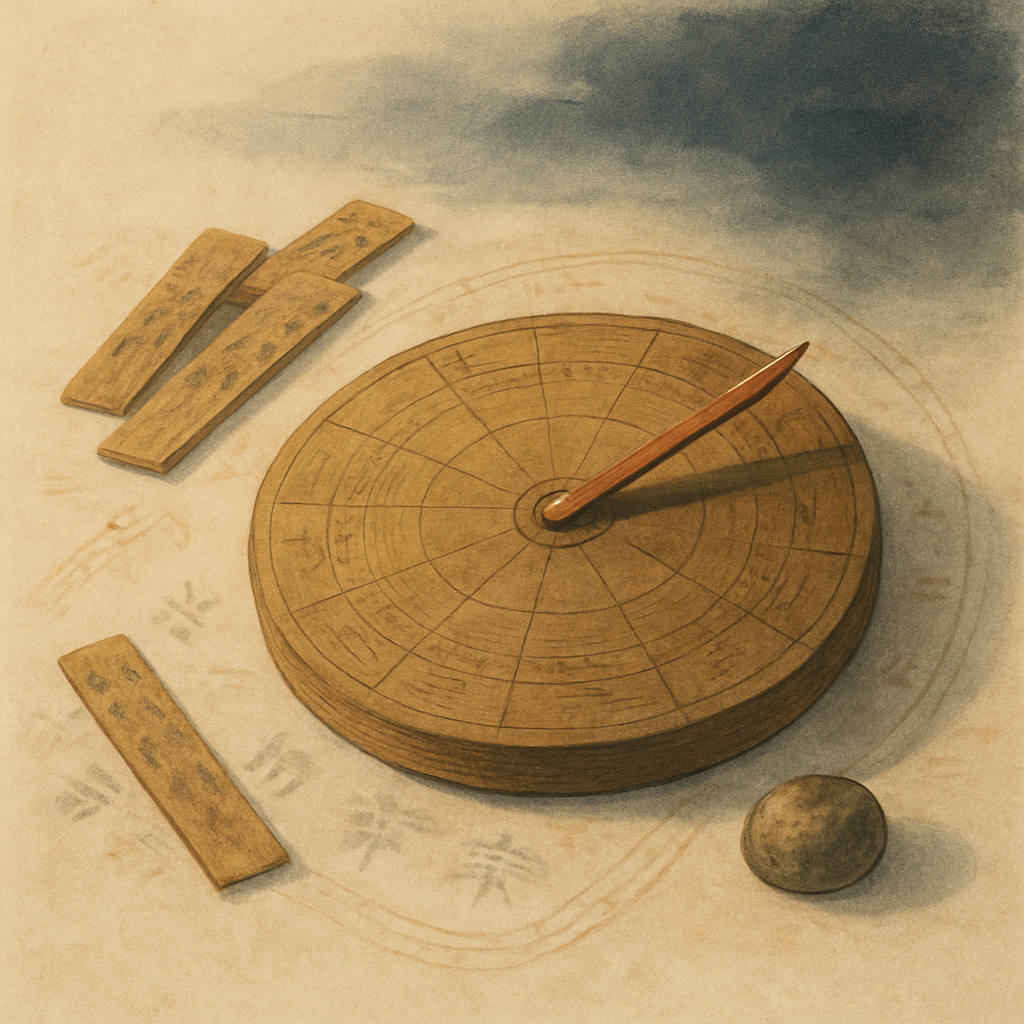
Yang Dun and Yin Dun: Why Qi Men Dun Jia Splits at the Winter and Summer Solstices
We unpack the two pillars of Qi Men Dun Jia (a classical Chinese divination system): yang dun and yin dun, and why they pivot at the winter and summer solstices. From the Three Cycles assigned to the 24 solar terms to the forward and reverse movement through the Nine Palaces, here is a clear explanation of why the same moment in time can point to entirely different auspicious directions.
 Concept· 5 min read
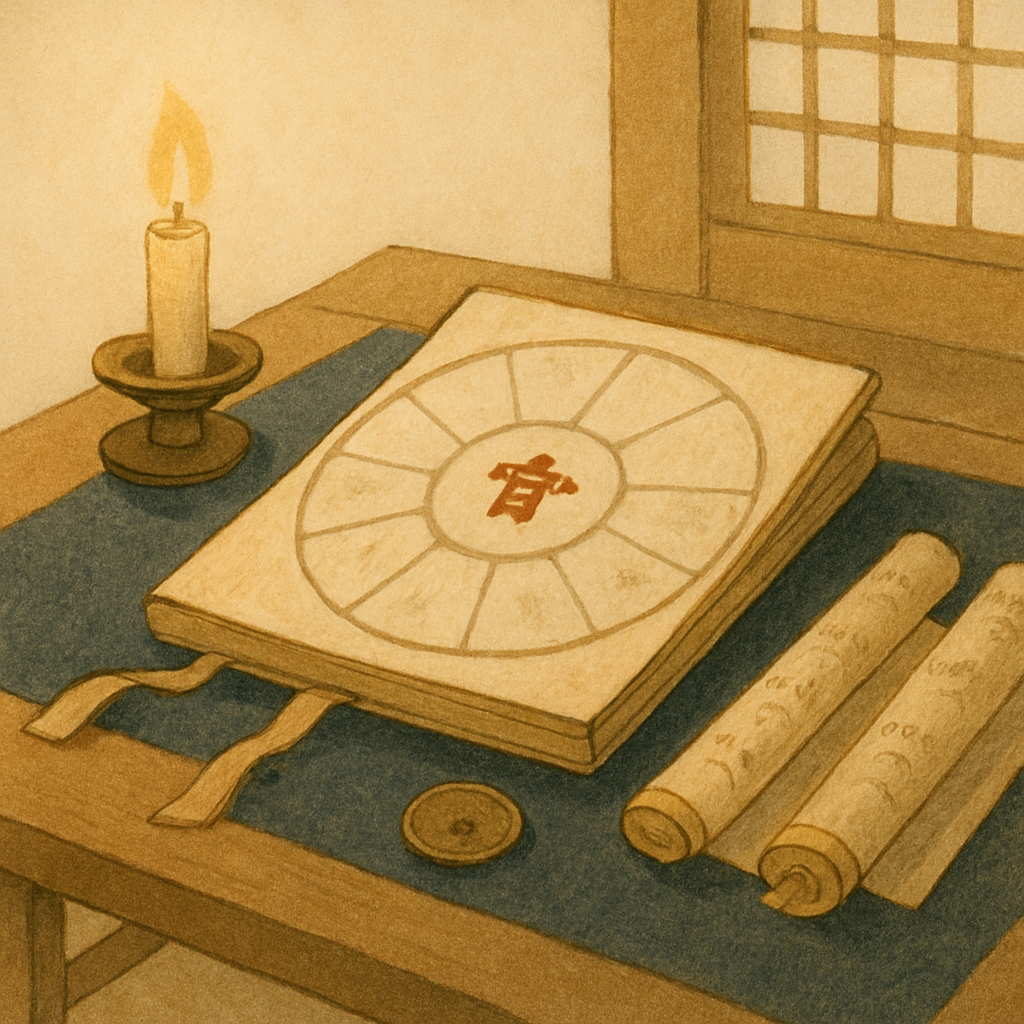
Zi Wei Dou Shu Major Cycles (Da Xian): The Ten-Year Tide That Shapes a Life
In Zi Wei Dou Shu (Purple Star astrology), the major cycle called da xian shifts the center of gravity in a person's life every ten years. From forward and reverse progressions to the meeting of natal four transformations with cycle four transformations, this post walks through how each ten-year period leaves its mark.
 Reading· 5 min read
Zi Wei Dou Shu's Wealth Palace: How to Read Your Lifelong Relationship with Money
The Wealth Palace in Zi Wei Dou Shu (Purple Star astrology) holds the shape and scale of the financial life a person may build over a lifetime. We walk through the nature of the main stars, the presence or absence of Hua Lu, and the influence of challenging stars, step by step.
 Reading· 5 min read
The Spouse Palace in Zi Wei Dou Shu: Where Your Romantic Destiny Takes Shape
In Zi Wei Dou Shu (Purple Star astrology), the Spouse Palace sits directly opposite the Life Palace and reveals the quality of your romantic connection, the timing of marriage, and the texture of your relationship. We walk through the main stars, the four transformations, and what it means when the palace is empty.
 Concept· 5 min read
Zodiac Sign Compatibility vs. Saju Compatibility: What's the Difference?
Zodiac sign compatibility (띠 궁합) compares only a single birth-year branch from the twelve earthly branches. Saju compatibility (사주 궁합, Korean Four Pillars astrology) lines up all four pillars side by side for a much fuller picture. Here is a calm, clear breakdown of how the two approaches differ.
 Reading· 5 min read
Parent and Child in Saju: Two Lives, One Shared Current
A practical guide to reading a parent's child palace (the hour pillar) alongside a child's parent palace (the year and month pillars), covering day-stem harmony and conflict, the five-element relationship, parenting styles, and periods of likely friction.
 Reading· 5 min read
Healthcare, Education, Finance: Reading Career Fit Through Saju
How the ten celestial relationships (Inseong, Sikshin, Jaeseong, and Gwanseong) are arranged in your chart can point toward a natural fit in healthcare, education, or finance. Explore what your Saju signals say about your career path.
 Practical· 5 min read
Civil Servant, Entrepreneur, Artist: What Career Suits You, According to Saju?
The five stars of the Ten Gods in Saju (Korean Four Pillars astrology), Gwanseong, Siksang, Jaeseong, Inseong, and Bigeop, reveal the natural flow of your vocational strengths. Noticing which energies stand out in your chart can offer real clues about your career direction.
 Practical· 5 min read
Career or Business: The Two Paths Your Saju Chart Points Toward
If you're in your thirties and torn between quitting your job and starting something of your own, a good place to begin is the flow of Gwanseong, Siksang, and Jaeseong in your Saju (Korean Four Pillars astrology) chart. We walk through which chart structures tend toward a salaried path and which carry a more entrepreneurial grain, with real consultation cases.
 Reading· 5 min read
Five Patterns Found in Wealth-Friendly Saju Charts
From the strength of the day master to the opening of the wealth vault, here are five patterns that tend to repeat in Saju (Korean Four Pillars astrology) charts with strong wealth flow, explored through the lens of Myeongrihak (classical Korean astrology). We look at how effort and timing come together.
 Concept· 5 min read
Jeongjae and Pyeonjae: Understanding the Two Currents of Wealth in Your Chart
In Korean Four Pillars astrology (Saju), two of the ten celestial gods (sipsin) represent wealth: Jeongjae and Pyeonjae. This post calmly unpacks the nature, chart position, and relationship to day-stem strength of each, exploring how these two wealth stars shape the flow of money in a person's life.
 Reading· 5 min read
Finding Love: How to Narrow Down Your Most Promising Window Using Saju
The years when Dohwa, Hongnyeom, and Cheonul Gwiin activate in your luck cycle. The major and annual fortune periods when a harmony enters your spouse palace. The strength of your day master and the flow of wealth and authority stars. This guide walks through how Saju (Korean Four Pillars astrology) can help identify windows when romantic connection is most likely.
 Reading· 5 min read
How to Read a Birth Chart When You're Carrying a One-Sided Crush
When the favorable star activates, where the peach blossom energy sits, and whether the spouse palace is open: Sajagung walks you through how to read the patterns and timing in a birth chart that may point toward unrequited love becoming mutual.
 Practical· 5 min read
Reading a Potential Partner's Saju Before You Meet
You have a first date coming up and only their birth date in hand. Here is where to start: from day stem compatibility and five-element balance to the spouse palace and its harmonies and clashes, broken down step by step.
 Practical· 5 min read
Reading Saju Without a Birth Time: How Much Is Still Possible?
Not knowing your birth time is no reason to give up on Saju (Korean Four Pillars astrology). The year, month, and day pillars alone reveal a great deal about character and life patterns, and with a few estimation clues, the picture can open up even further.
 Concept· 5 min read
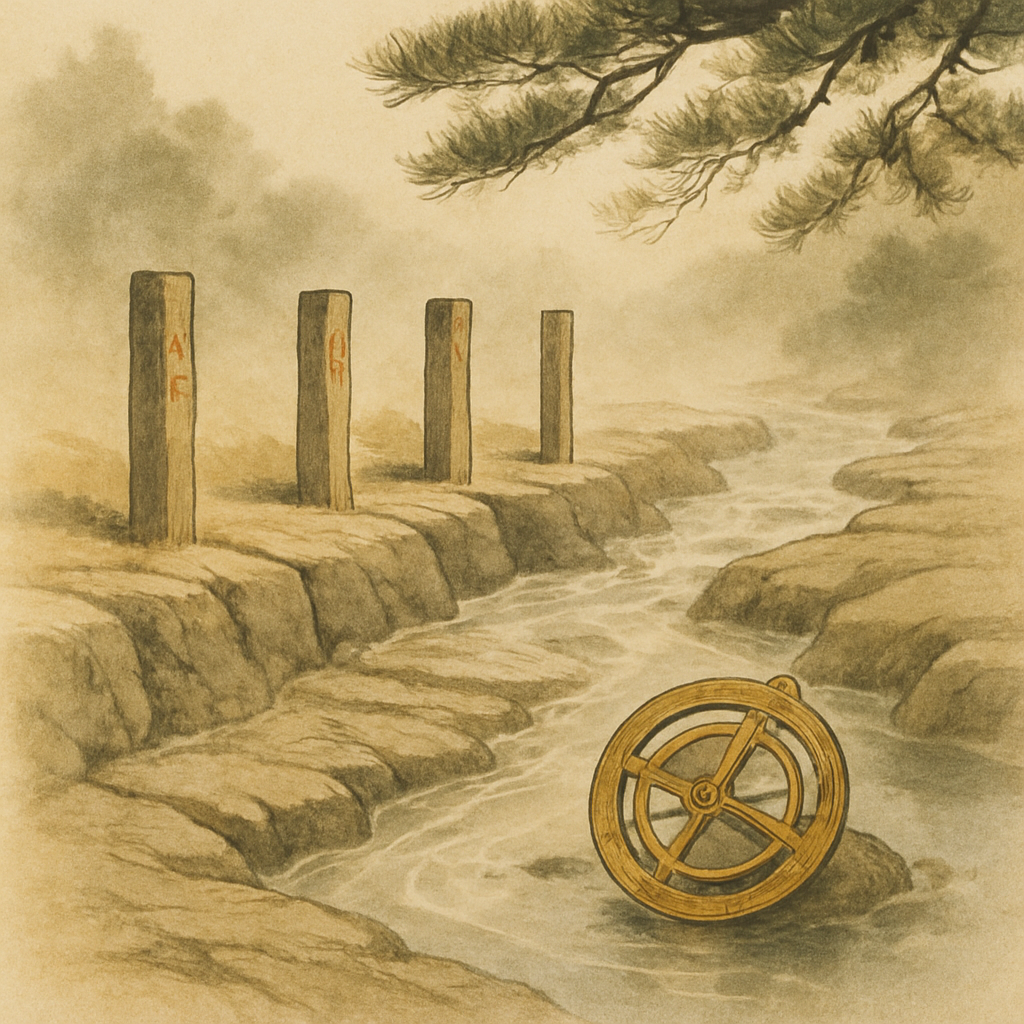
The Ten-Year Major Cycle: The Great River Running Through Your Saju
A major cycle (daeun) is a river of time flowing through your Saju (Korean Four Pillars astrology) in ten-year intervals. We walk through how to calculate it, what the stem and branch each govern over five years, how favorable and unfavorable elements color each period, and how the annual cycle layers on top.
 Concept· 5 min read
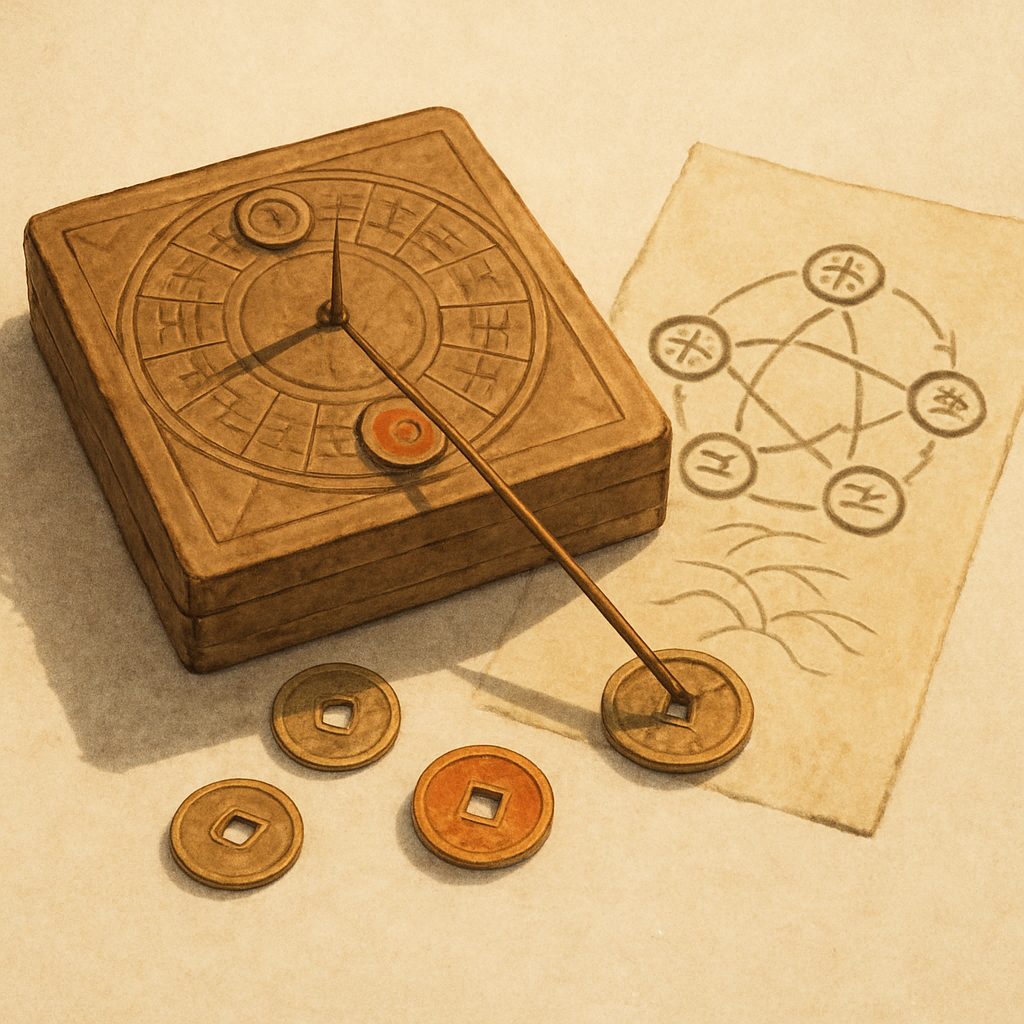
What Is the Yongsin: How to Find the Pivotal Element in Your Saju
The yongsin (favorable element) is the core of balance in Saju (Korean Four Pillars astrology). This guide walks through the four main methods for identifying it, including eokbu, johu, tonggwan, and jeonwang, along with the roles of supporting and opposing elements and where the yongsin appears in the chart.
 Reading· 5 min read
What Is the Sikshin Pattern · The Texture of Abundance and Expression
A clear guide to the Sikshin pattern (Food God pattern) in Korean Four Pillars astrology: how it forms, what the Sikshin reveals about the day master, how it relates to wealth and authority stars, which careers it suits, and how the variations of Sikshin-saengjae and Sikshin-jesal play out.
 Reading· 5 min read
Jeonggwan-gyeok: The Most Stable Chart Pattern in Saju
A clear guide to Jeonggwan-gyeok (the Proper Officer pattern) in Saju (Korean Four Pillars astrology): how it forms from the month branch, how the wealth and resource stars strengthen it, and what kinds of tensions can unsettle it.
 Reading· 5 min read
Cheondeok Gwiin and Woldek Gwiin: Two Stars That Soften Misfortune
Cheondeok Gwiin and Woldek Gwiin are auspicious stars in Saju (Korean Four Pillars astrology) that gently ease the impact of harmful energies and difficult influences. This post explains what they are, how to find them in a chart, and what they actually do.
 Reading· 5 min read
Goegang: The Star That Carries Both Power and Solitude
Goegang (Korean power star) applies to four day pillars: Gyeongjin, Imjin, Gyeongsul, and Musul. This post walks through what this intense star means, how it shapes character, and where its push and pull tends to show up in life.
 Concept· 5 min read
What to Understand Before Asking Whether a Talisman Works
A talisman is not instant magic. When understood as a visual prescription and a daily reminder to bring balance to the five elements, its meaning opens up considerably. This post calmly explores the principles behind talisman effects from a Saju perspective.
 Practical· 5 min read
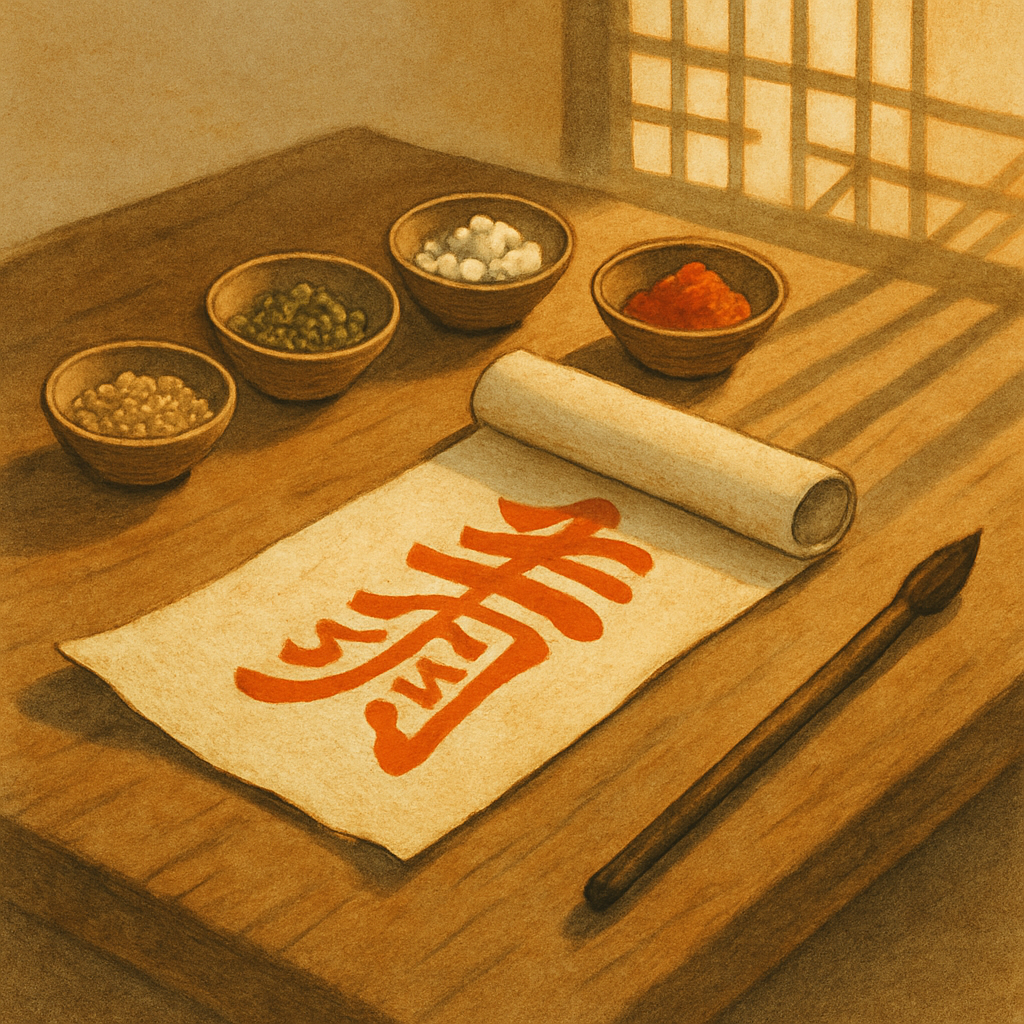
Storing and Renewing Charms: Lock Screens, Printed Copies, and the New Year
From digital lock screens to printed charms tucked in your wallet, Sajagung walks you through the right ways to store a charm and when to renew it as the yearly energy shifts. We also cover what to do if one is lost or damaged.
 Practical· 5 min read
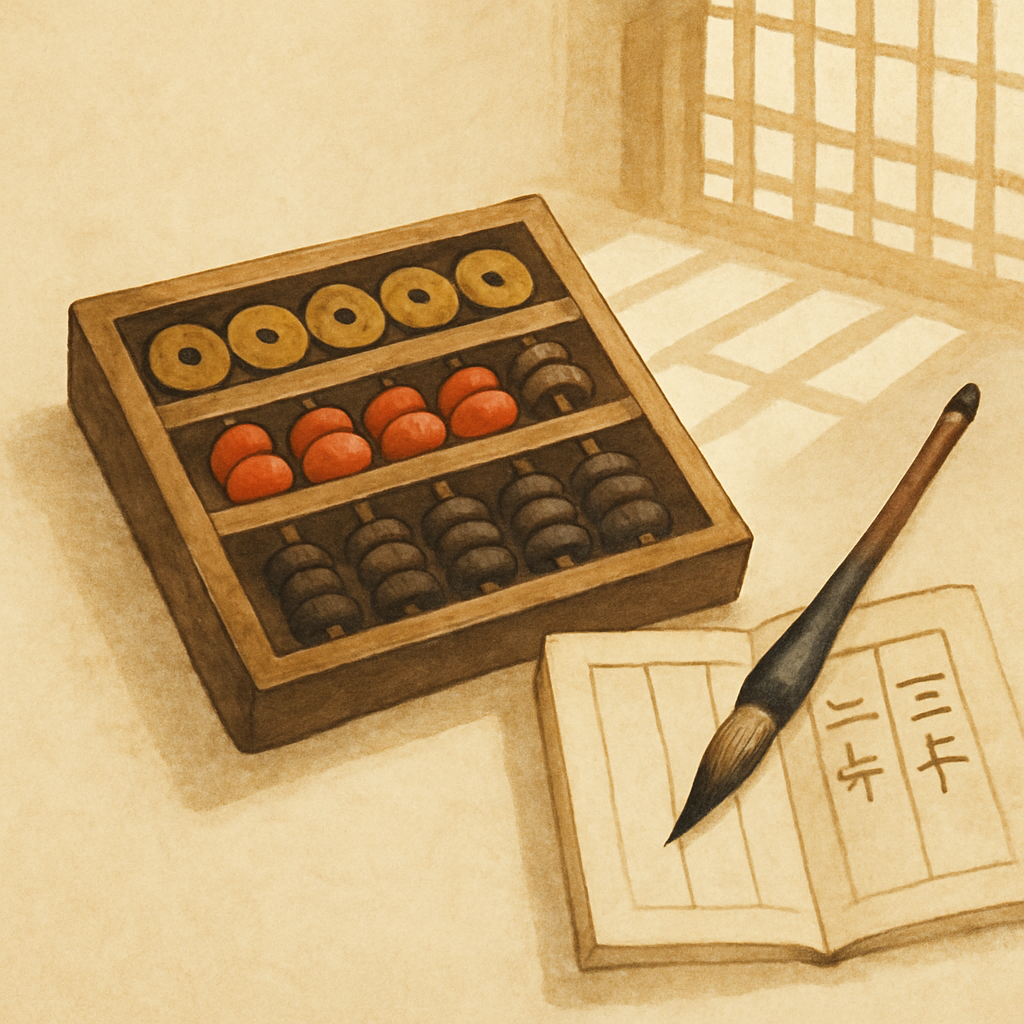
The Complete Guide to Korean Protective Charms: Love, Wealth, Exams, Health, and Peace
A field-by-field look at Korean protective charms (부적, bu-jeok), covering love, wealth, exams, health, peace, and connections. Pairing a charm with the weak element in your Saju (Korean Four Pillars astrology) chart can help you choose one that fits you well. Practical tips on where to keep them in daily life are included.
 Reading· 5 min read
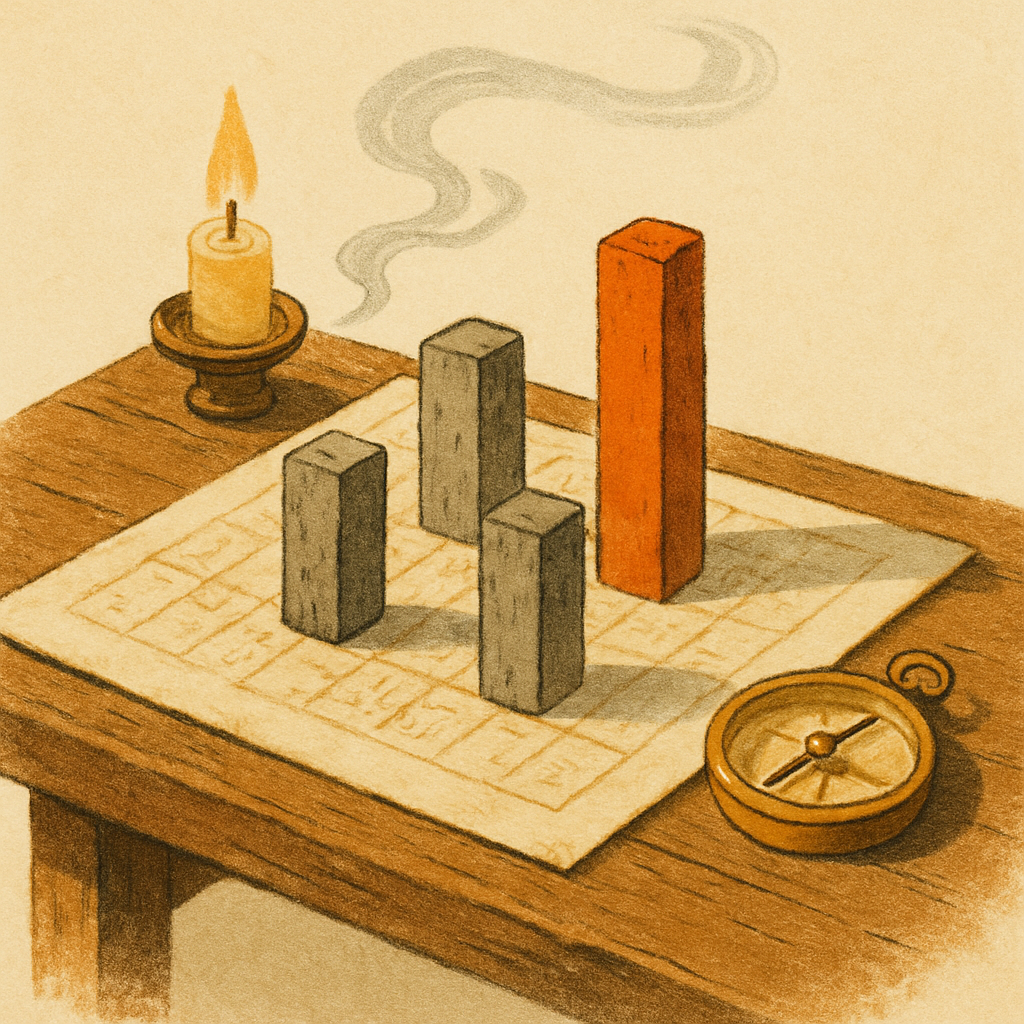
Early, Middle, and Later Life: How Dang Saju Reads the Three Phases of a Lifetime
Using the twelve-star formula at the heart of Dang Saju (Korean Tang-style four-pillar reading), we walk through how each of the three life phases is interpreted, how it differs from the ten-year cycles in classical Saju, and what it means when the later years come out strongest.
 Concept· 5 min read
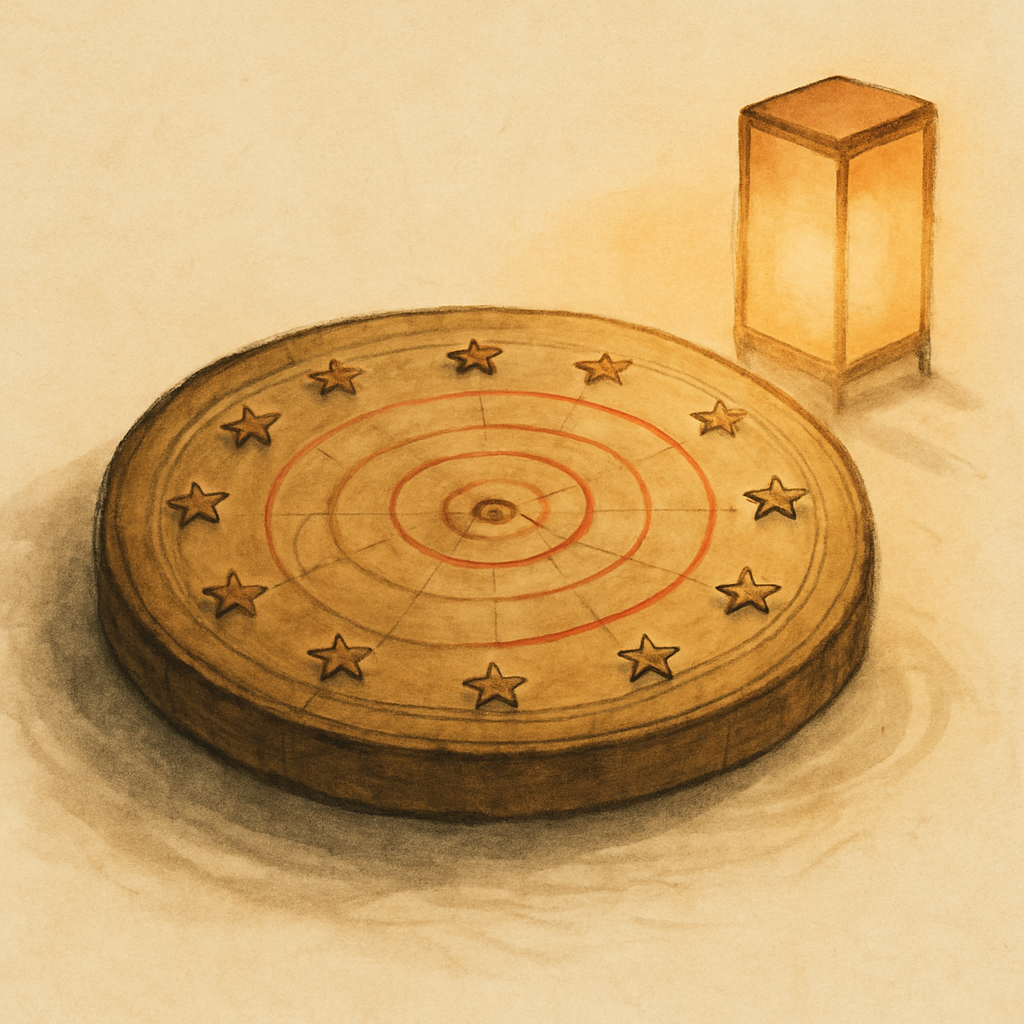
Dang Saju and Saju Pallja: What Makes These Two Readings Different
Dang Saju and Saju Pallja (Korean Four Pillars astrology) differ from the very way they read your birth date to the time spans they use. Understanding how each system is structured and what it is meant for can give you a much richer, more layered picture of your life's flow.
 Concept· 5 min read
The 12 Stars of Dang Saju: How Twelve Stars Shape Your Early, Middle, and Later Years
The 12 stars of Dang Saju (Tang Four Pillars fortune-telling) use twelve stars, including Cheongwi, Cheonaek, and Cheonkwon, to trace the flow of a person's life across early, middle, and later years. This post walks through each star and explains how they are calculated from your birth year's earthly branch.
 Practical· 5 min read
I Ching Divination: Why You Should Never Ask the Same Question Twice
A look at why repeating a question in I Ching divination (주역점) can muddy the reading. We cover the one-question, one-answer principle, the conditions under which asking again is acceptable, and how to use the nuclear hexagram and inverse hexagram to deepen a reading you already have.
 Concept· 5 min read
Moving Lines in the I Ching: Reading the Signal from Present Hexagram to Changing Hexagram
What moving lines (dong yao) are in I Ching divination, why old yang and old yin transform, what each of the six line positions means, and how to interpret readings when multiple moving lines appear, explained step by step.
 Concept· 5 min read
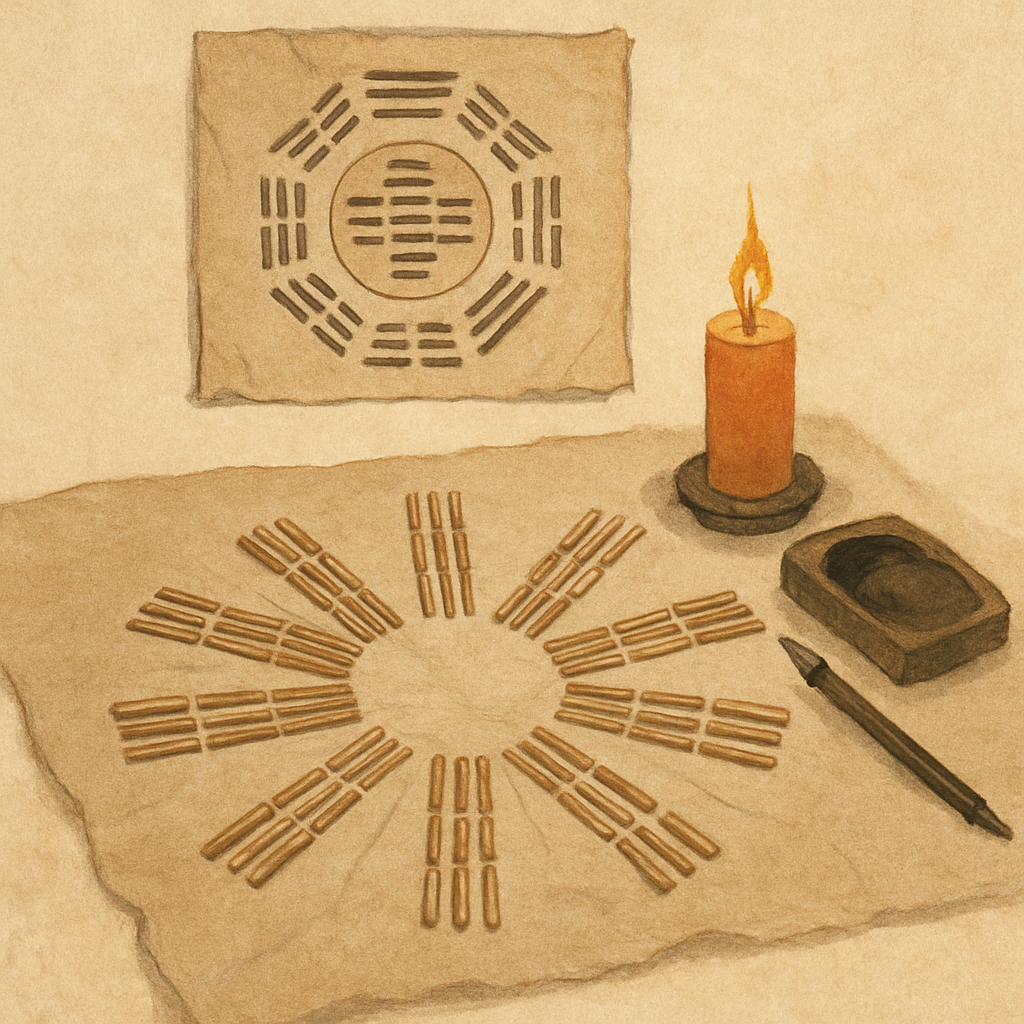
An Introduction to the 64 Hexagrams: How the Eight Trigrams Unfold into a Map of Change
A step-by-step look at how the eight trigrams combine to form the 64 hexagrams of the I Ching (Zhouyi). Covers the symbolism of the first six hexagrams, the logic of their sequence, and the core concepts you need to begin your study.
 Practical· 5 min read
Gi-mun Dun-gap Directions: How Long Does One Reading Actually Last?
If you've ever chosen a favorable direction using Gi-mun Dun-gap (Korean Mystical Gates astrology) before a job interview, a contract signing, or a move, and weren't sure how many days it stays valid, this guide walks you through everything: from the basics of the two-hour chart cycle all the way to daily and monthly applications.
 Concept· 5 min read
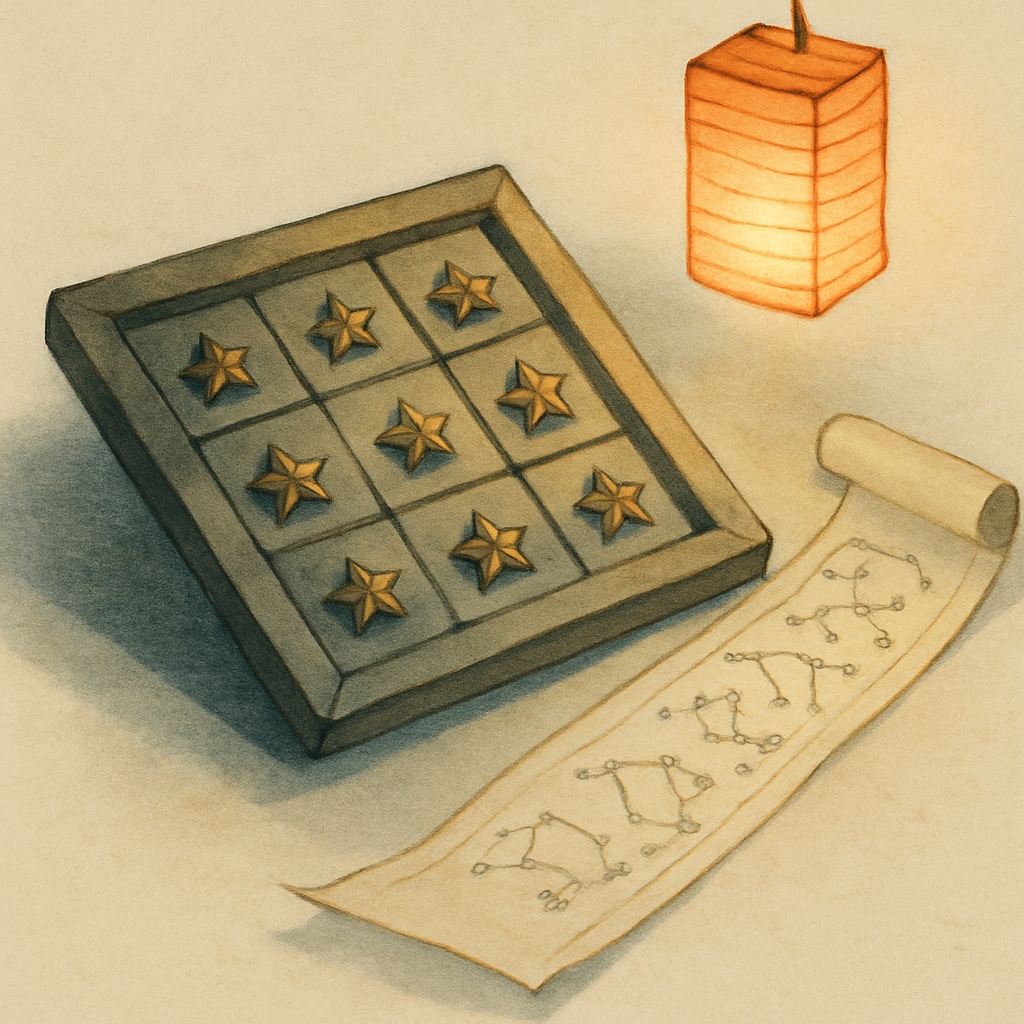
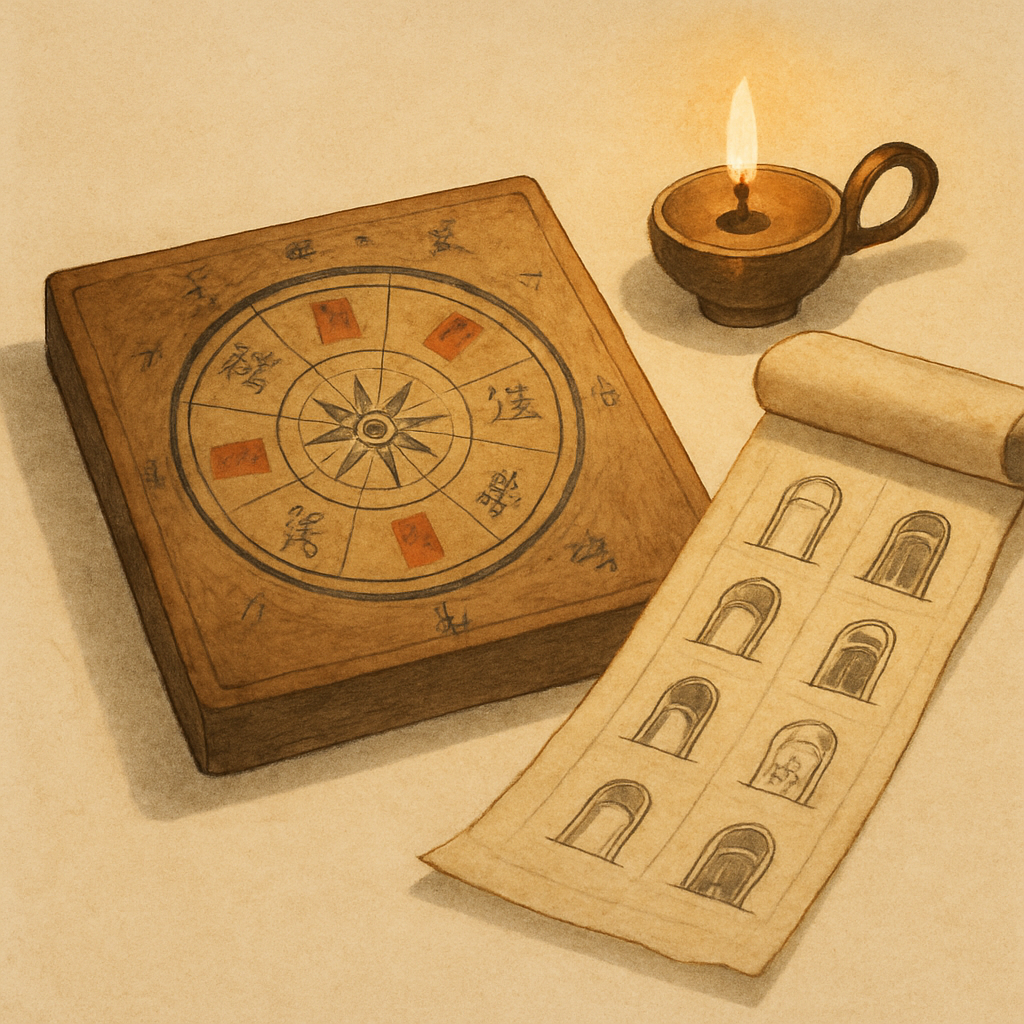
The Nine Stars of Qi Men Dun Jia, Explained: From Tian Peng to Tian Ying
A friendly walkthrough of the Nine Stars (Jiu Xing), the core building blocks of Qi Men Dun Jia. We cover the character of each star from Tian Peng to Tian Ying, their favorable and unfavorable tendencies, and how they interact with the Eight Gates.
 Concept· 5 min read
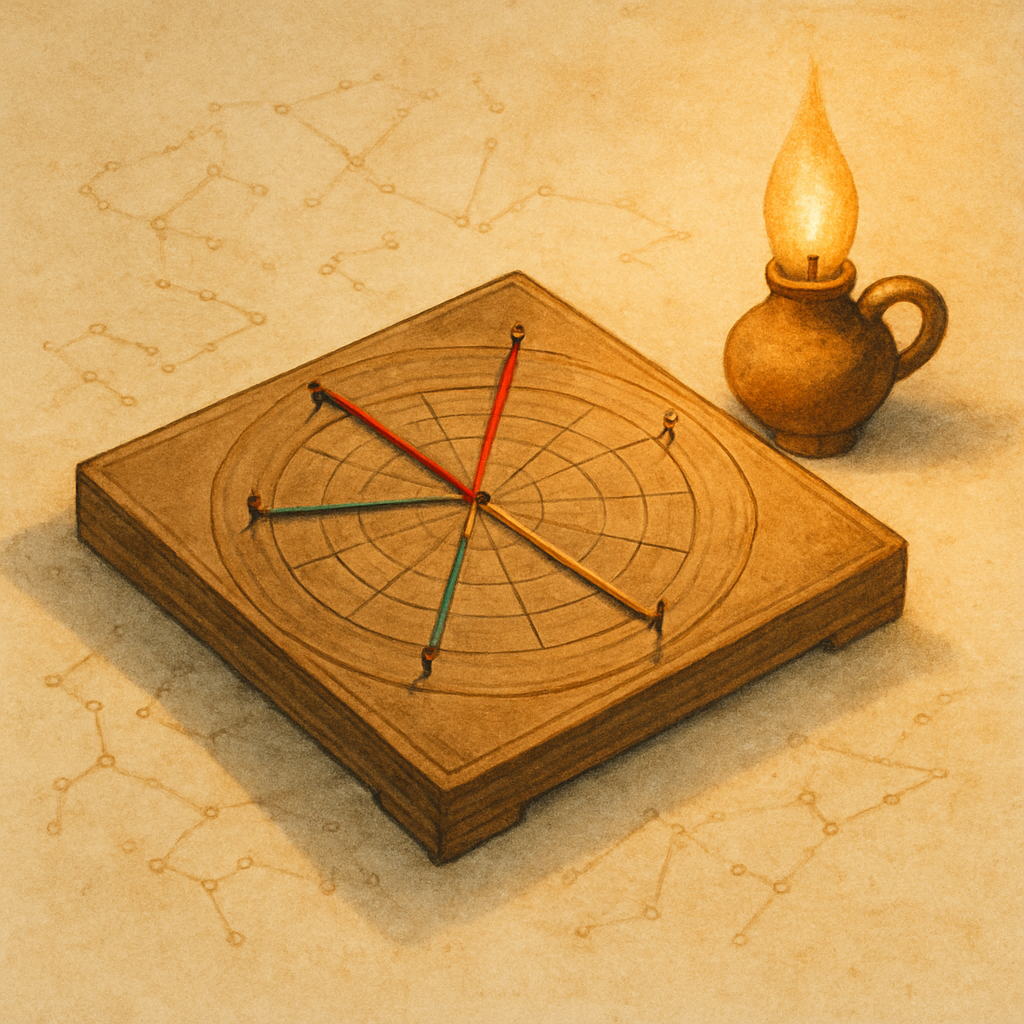
The Eight Gates of Gi-mun Dun-gap: Open Doors and Closed Ones
A clear guide to the Eight Gates, the core structure of Gi-mun Dun-gap (Korean cosmic timing and direction system). Covers the three favorable gates (Life, Open, Rest), how to avoid the Death and Injury gates, the Nine Palaces grid, and how to map your movements by reading gates for each time period.
 Concept· 5 min read
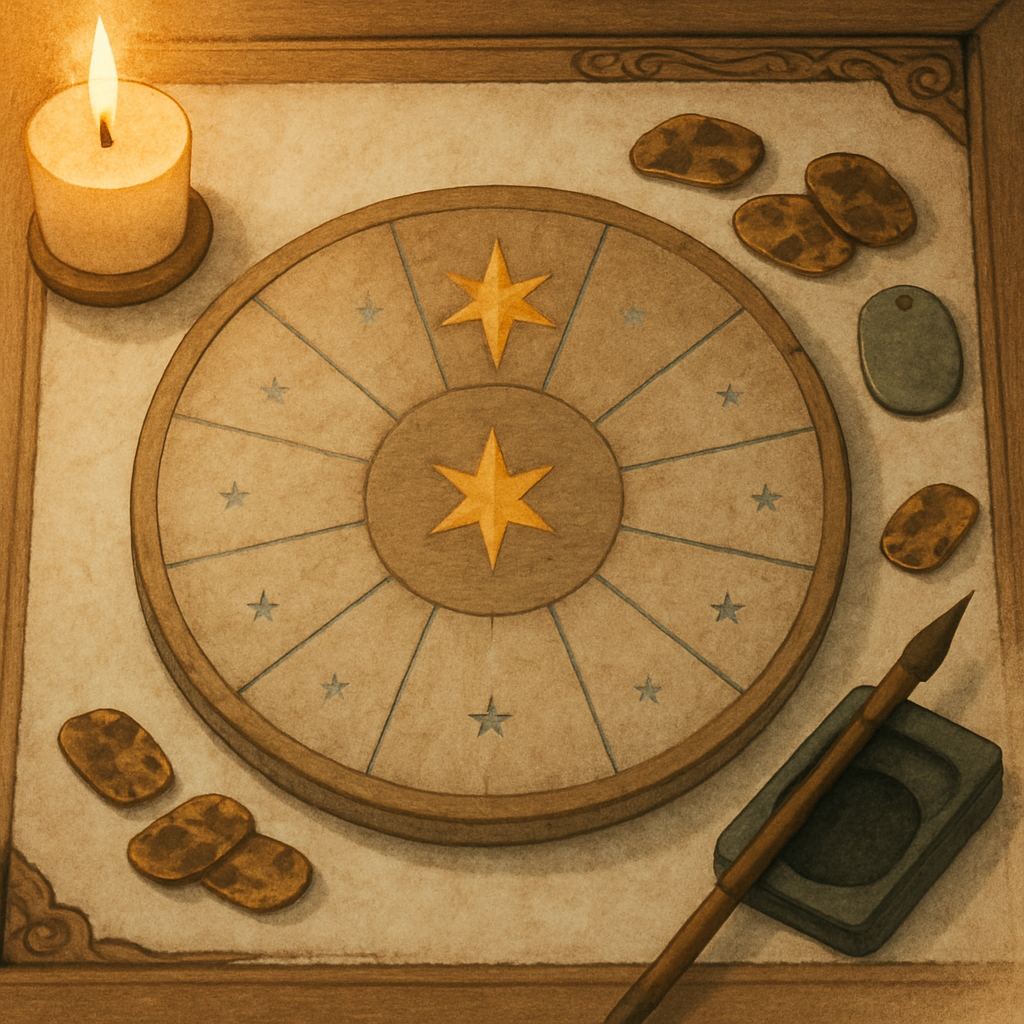
What Are the Four Transformations in Zi Wei Dou Shu: Hua Lu, Hua Quan, Hua Ke, and Hua Ji Explained
A clear, step-by-step guide to the Four Transformations (Si Hua), the core transformation system in Zi Wei Dou Shu (Purple Star astrology): what each of the four transformations means, how they are assigned based on your birth-year Heavenly Stem, and how decade and annual transformations work in a real chart.
 Concept· 5 min read
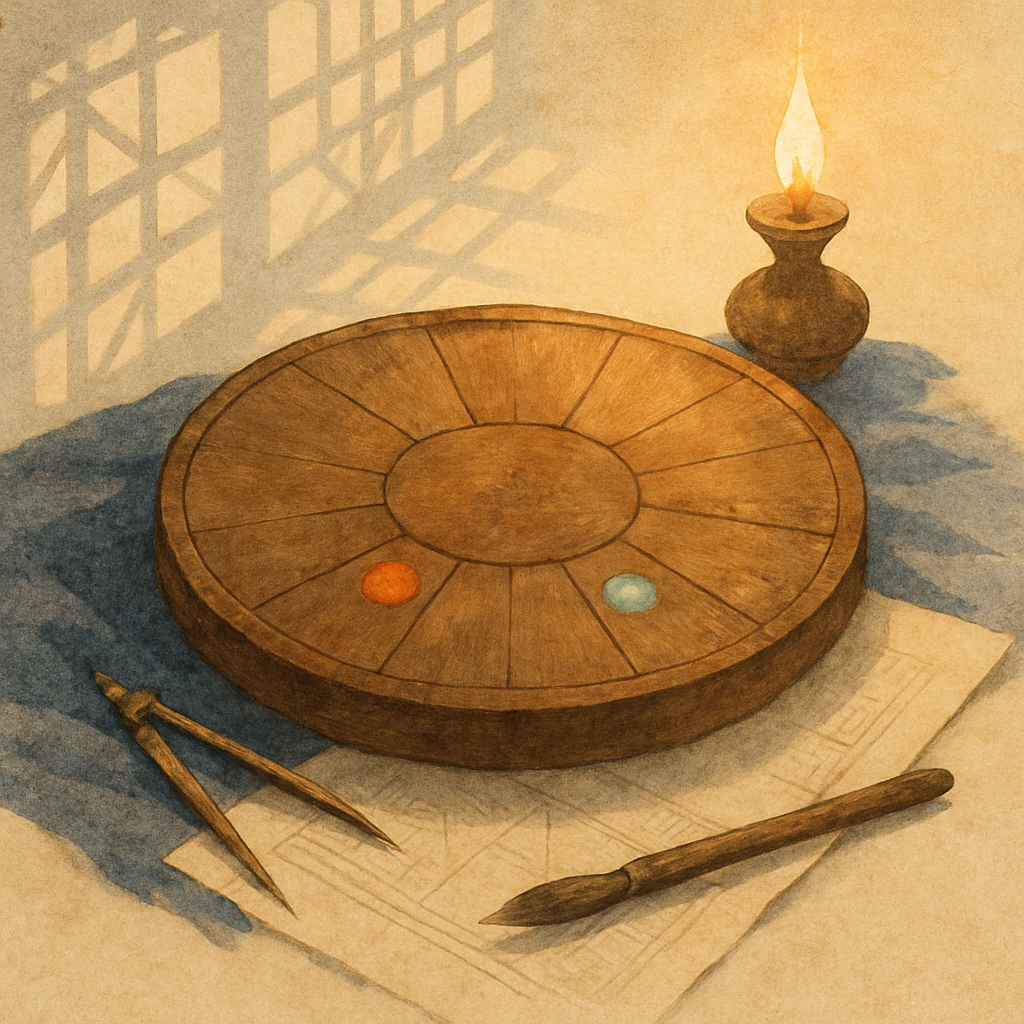
Zi Wei and Tian Fu: The Two Emperor Stars of Zi Wei Dou Shu
A step-by-step guide to the two central stars of Zi Wei Dou Shu (Purple Star astrology): what Zi Wei and Tian Fu mean, how they are placed across the twelve houses, how they combine with supporting stars, and what patterns they can create when they enter the life palace.
 Concept· 5 min read
Zi Wei Dou Shu: What Is the Difference Between the Life Palace and the Body Palace?
A clear, step-by-step look at the Life Palace and Body Palace, the two starting points of Zi Wei Dou Shu (Purple Star astrology). Covers how each palace captures innate character and the tone of later life, from how they are calculated to how they are used in practice.
 Concept· 5 min read
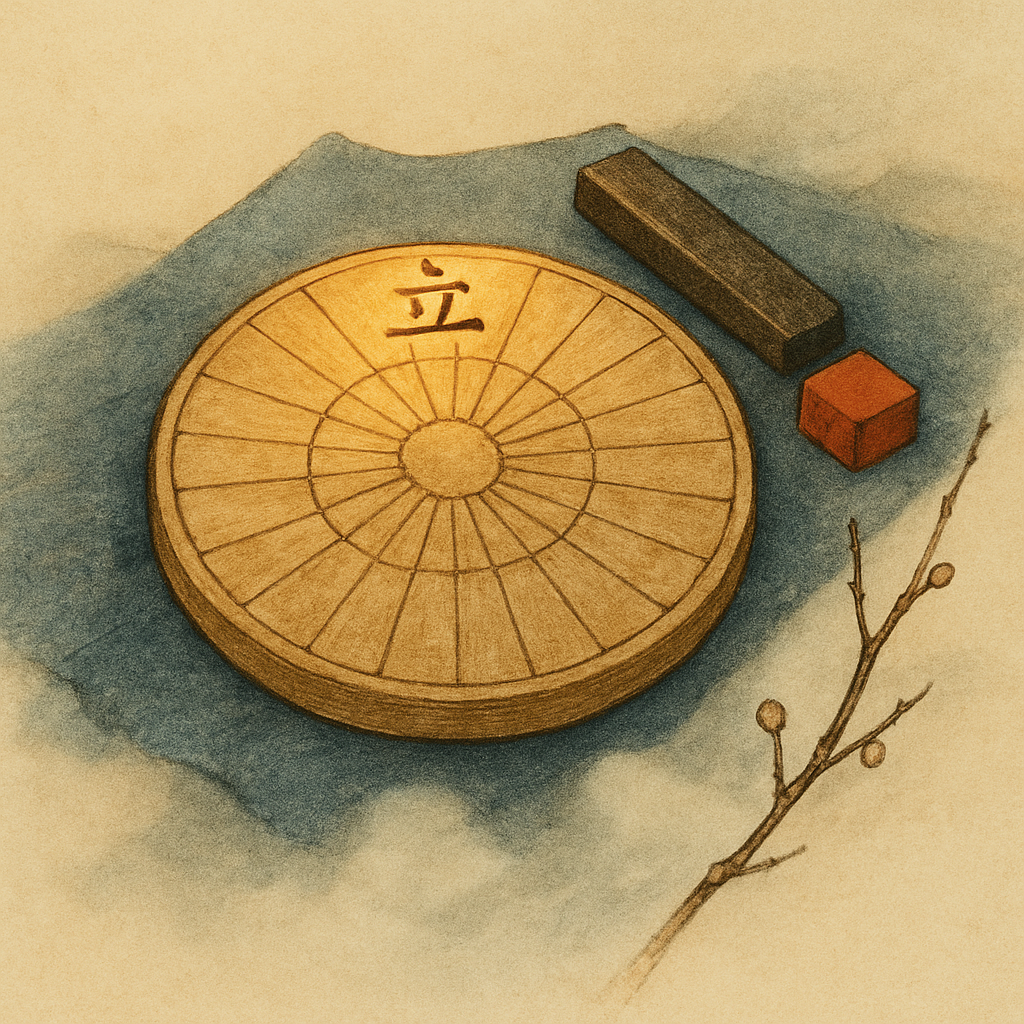
Why Ipchun Marks the New Year in Saju: A Complete Guide to the Solar Term Calendar
In Saju (Korean Four Pillars astrology), the new year begins neither on January 1st nor on the Lunar New Year, but at Ipchun. Here is a friendly, thorough look at the twenty-four solar terms and the historical reasons Ipchun became the anchor point for Saju.
 Concept· 5 min read
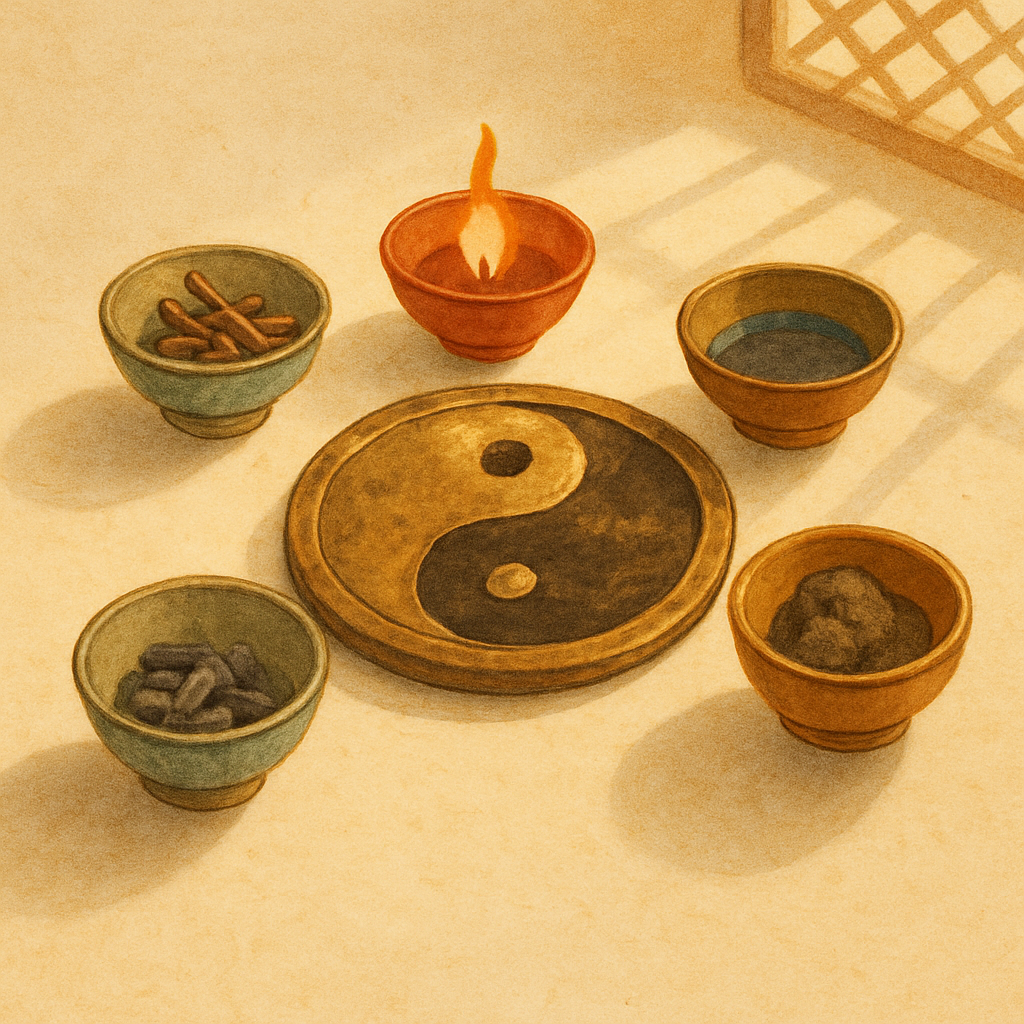
What Are Yin-Yang and the Five Elements? The Foundations of Korean Four Pillars Astrology
A gentle introduction to the principles of yin and yang, the meaning of the five elements (Wood, Fire, Earth, Metal, Water), and the cycles of generation and control that run through them. If you are new to Saju (Korean Four Pillars astrology), this is the place to start.
 Concept· 5 min read
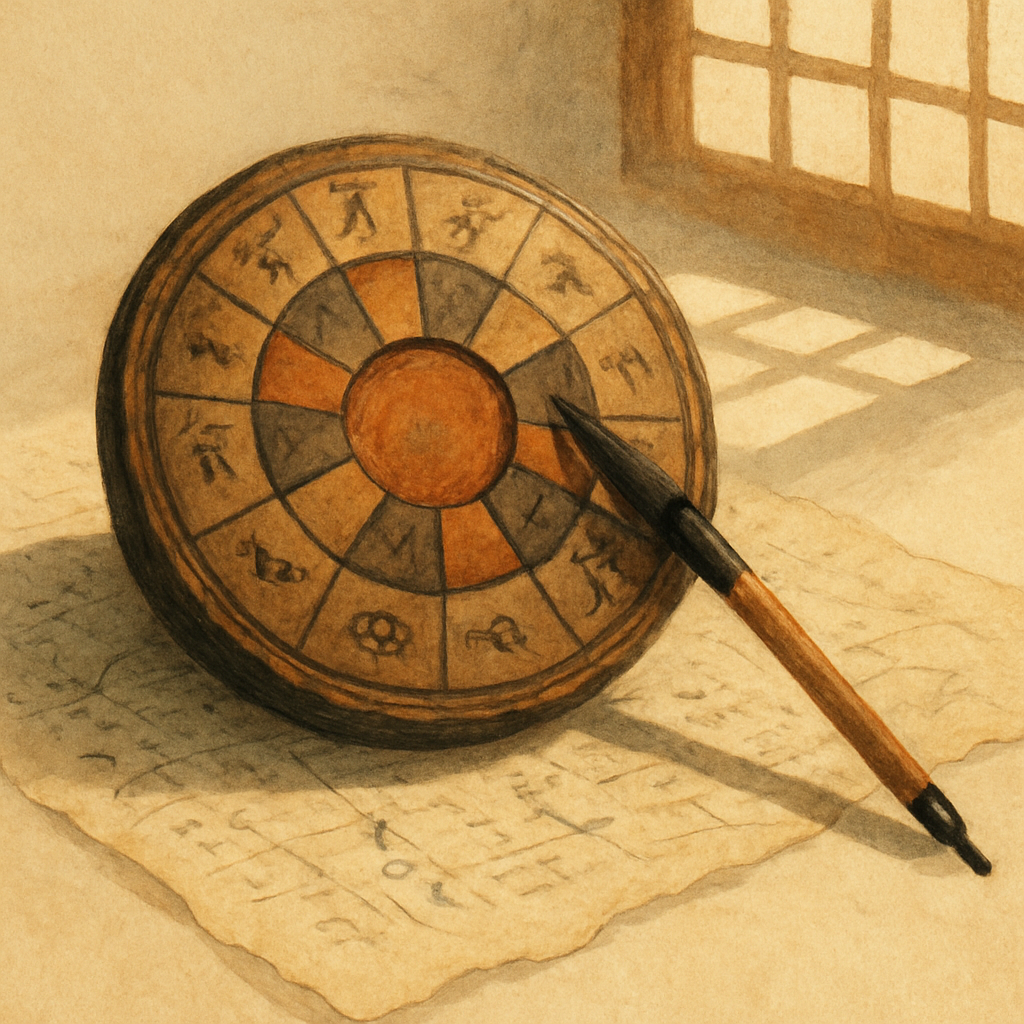
Solar Calendar, Lunar Calendar, or Something Else? Getting Your Saju Date Right
If you're unsure whether to enter a solar or lunar birthday when calculating your Saju, this guide walks you through the core principles: the solar-term calendar, the Ipchun cutoff, and how intercalary months are handled.
 Concept· 5 min read
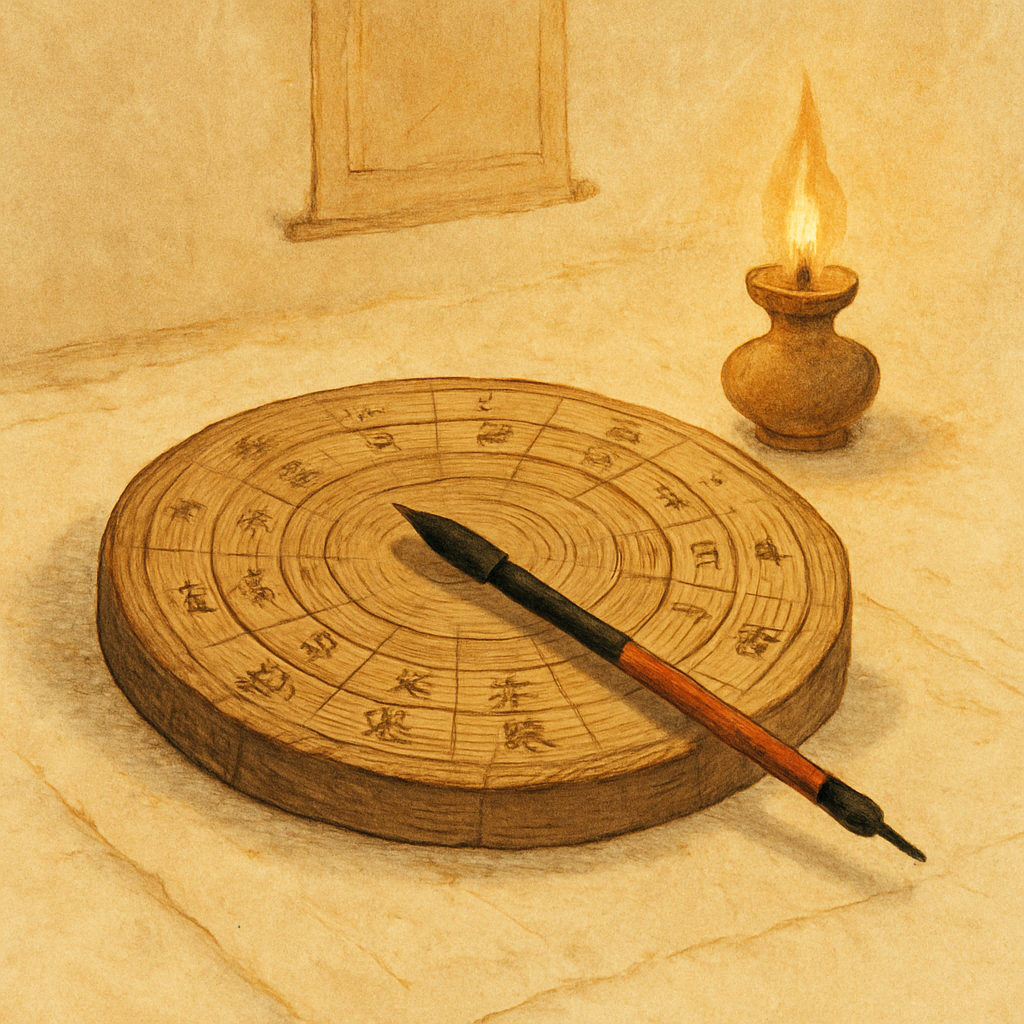
Reading Chart Strength Through the Twelve Energy Stages: From Birth to Extinction
The twelve energy stages (12 Unseong) describe how a heavenly stem's vitality shifts across twelve phases when it meets an earthly branch. This guide walks through each stage, from Jangssaeng to Jeol, and explains how to use them to judge the strength of a Saju (Korean Four Pillars astrology) chart.
 Concept· 5 min read
Cheonheul Gwiin: Finding the Lucky Star Embedded in Your Saju
Cheonheul Gwiin (the Heavenly Noble Helper star in Korean Four Pillars astrology) is determined by your day stem and considered the most auspicious star in a Saju chart. Sajagung walks you through how it softens difficult periods and how to use it when choosing auspicious dates.
 Concept· 5 min read
What Is Gongmang: The Meaning of Empty Spaces in Your Saju Chart
Gongmang refers to the two earthly branches left unpaired in each ten-day cycle of the sixty-stem system. This post walks through where gongmang falls within a Saju (Korean Four Pillars astrology) chart, how it shapes each life area, and how practitioners use it when choosing auspicious dates.